Conditions · Balance and Falls
When standing up feels risky
A fall is rarely just bad luck. About one in three adults over 65 falls each year, and most of those falls happen at home. Balance can be trained, the home can be made safer, and the risk can come down.
It is rarely just one thing.
A few contributing causes tend to stack up for this condition, and each needs a different kind of care.
Three exercises that usually help.
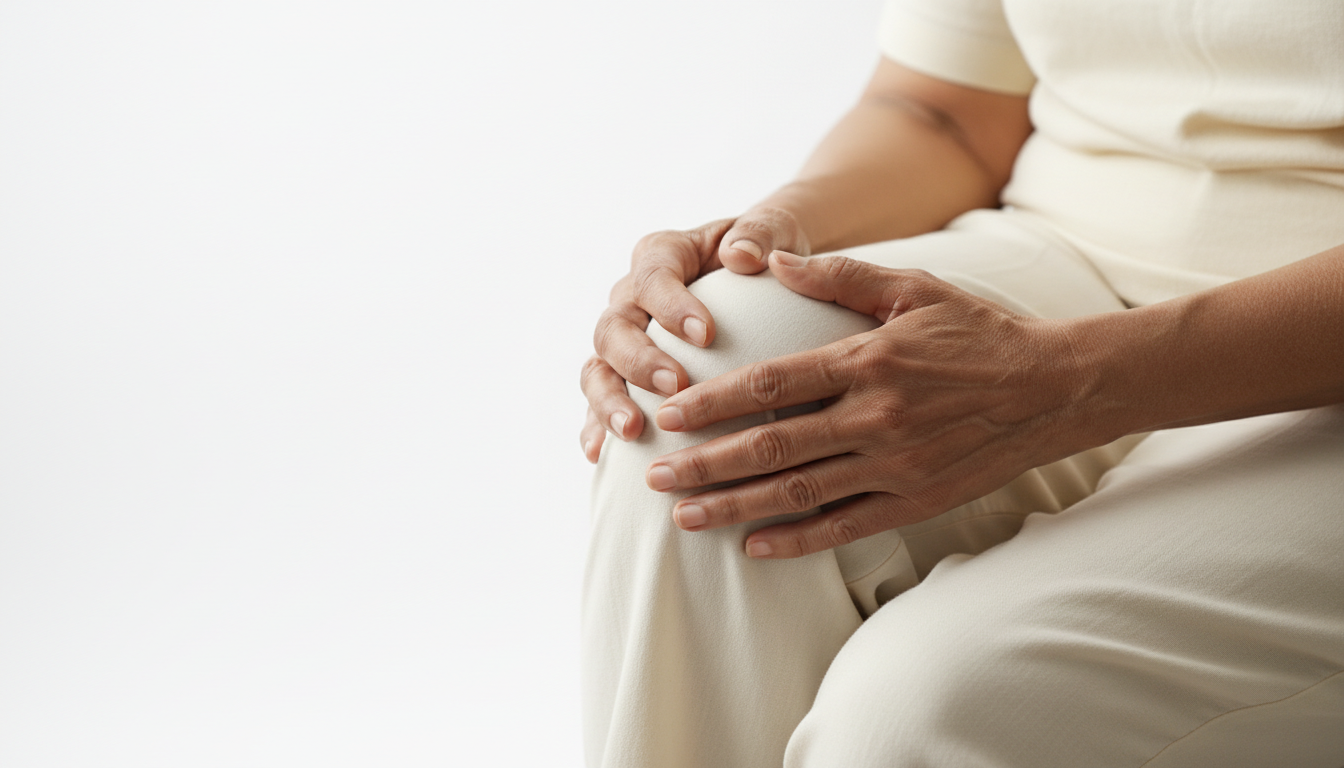
From a sturdy chair against a wall, feet hip-width and flat, stand up fully without using your hands, then sit back down slowly over 3 seconds. Aim for 3 sets of 8 to 12. The single best predictor of independence after 70.
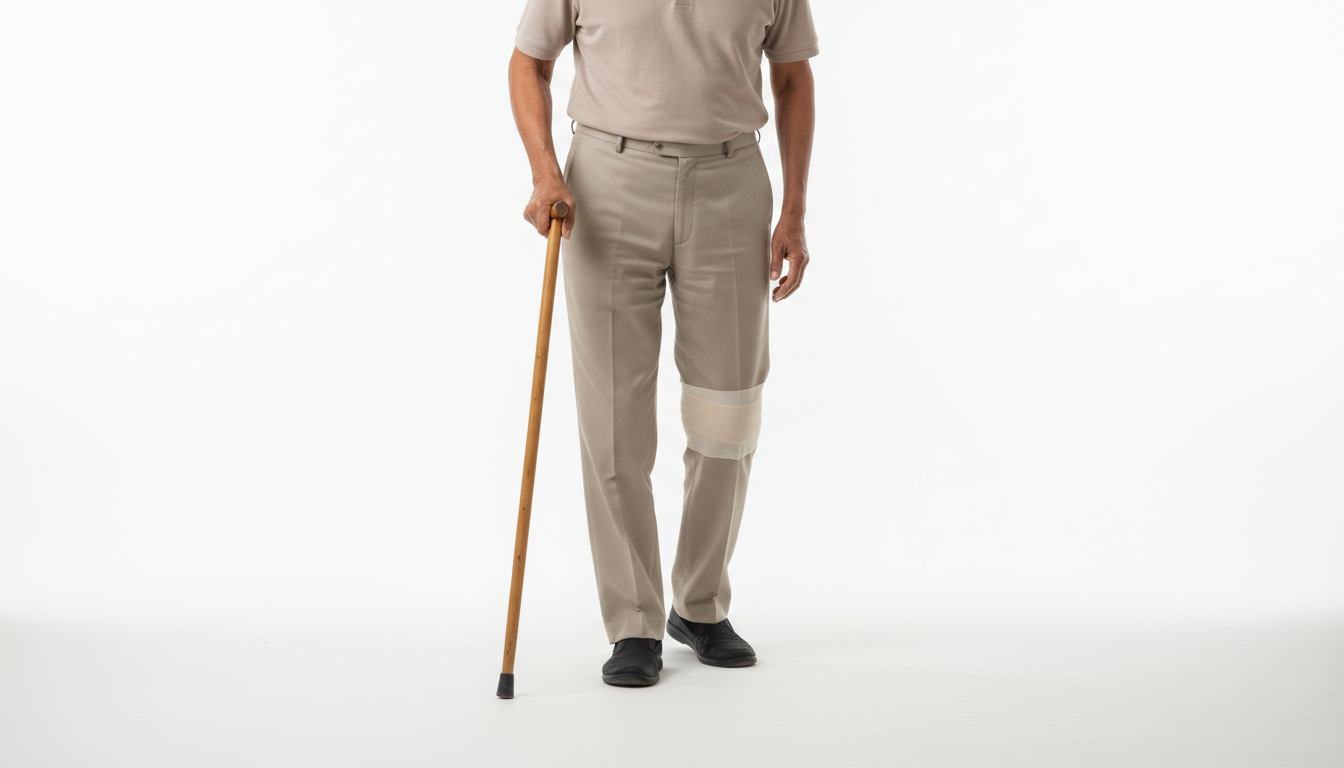
Stand behind a chair with hands resting lightly on it. Rise onto the balls of your feet, then lower with control. 3 sets of 12 to 15. Strong calves steady your walk and prevent trips.
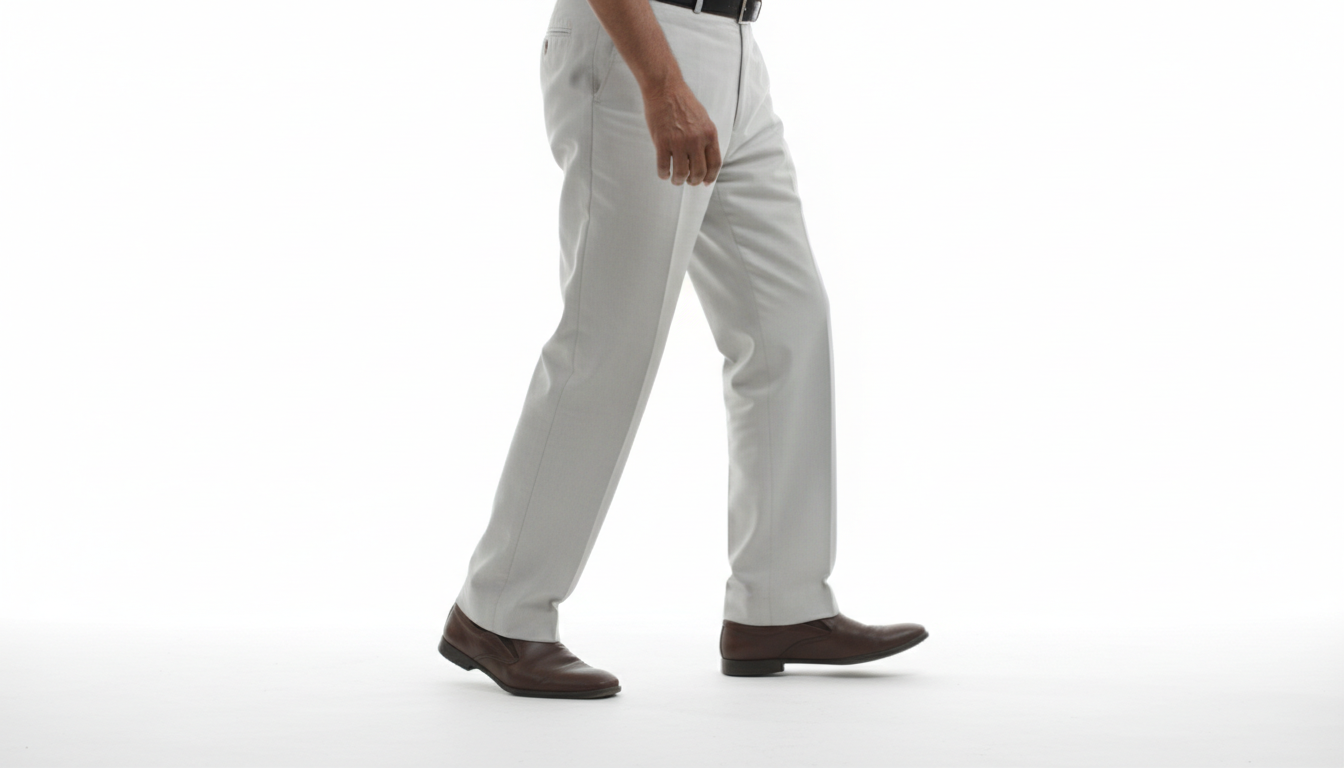
Stand near a counter, lift one foot a few centimetres off the floor, and hold 10 seconds. Switch sides. Build to 30 seconds per leg. Keep a counter within arm’s reach for the first few weeks. Balance is half of fall prevention.
A simple day-by-day routine you can follow at home, with the exercises paced safely and a note on what to watch for. It arrives as a message you can keep.
How we treat balance and Falls.
The connected pillars, physiotherapy, strength, nutrition and emotional wellbeing, work from one plan, scoped and reviewed by a doctor so the whole condition is addressed, not just the label.
“I really do feel the difference in my walk. The wobbliness has reduced quite a bit and I am more confident with my walk.”