Free exercise library
Guided movement,grouped by what you need.
Simple, safe routines you can follow on your own or with a little help, each one easy to start at home.
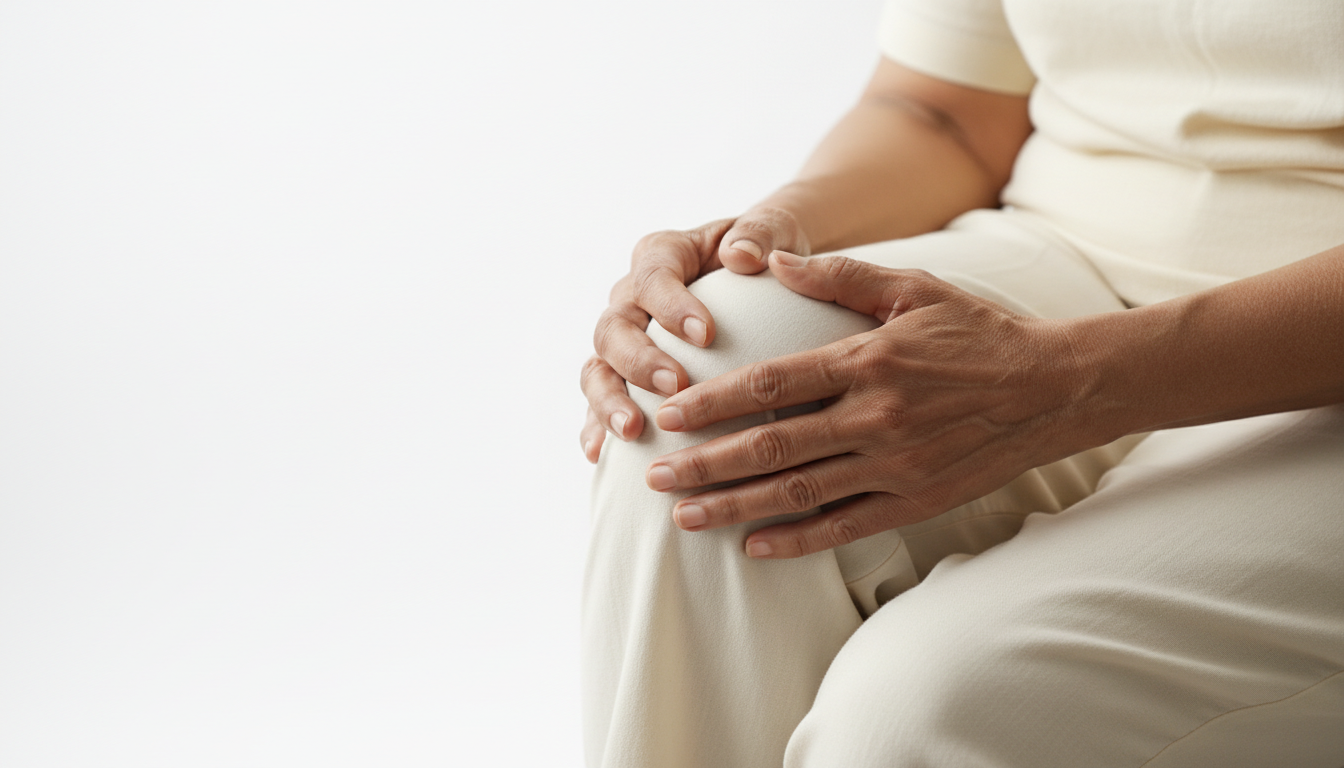
From a sturdy chair against a wall, feet hip-width and flat, stand up fully without using your hands, then sit back down slowly over 3 seconds. Aim for 3 sets of 8 to 12. The single best predictor of independence after 70.
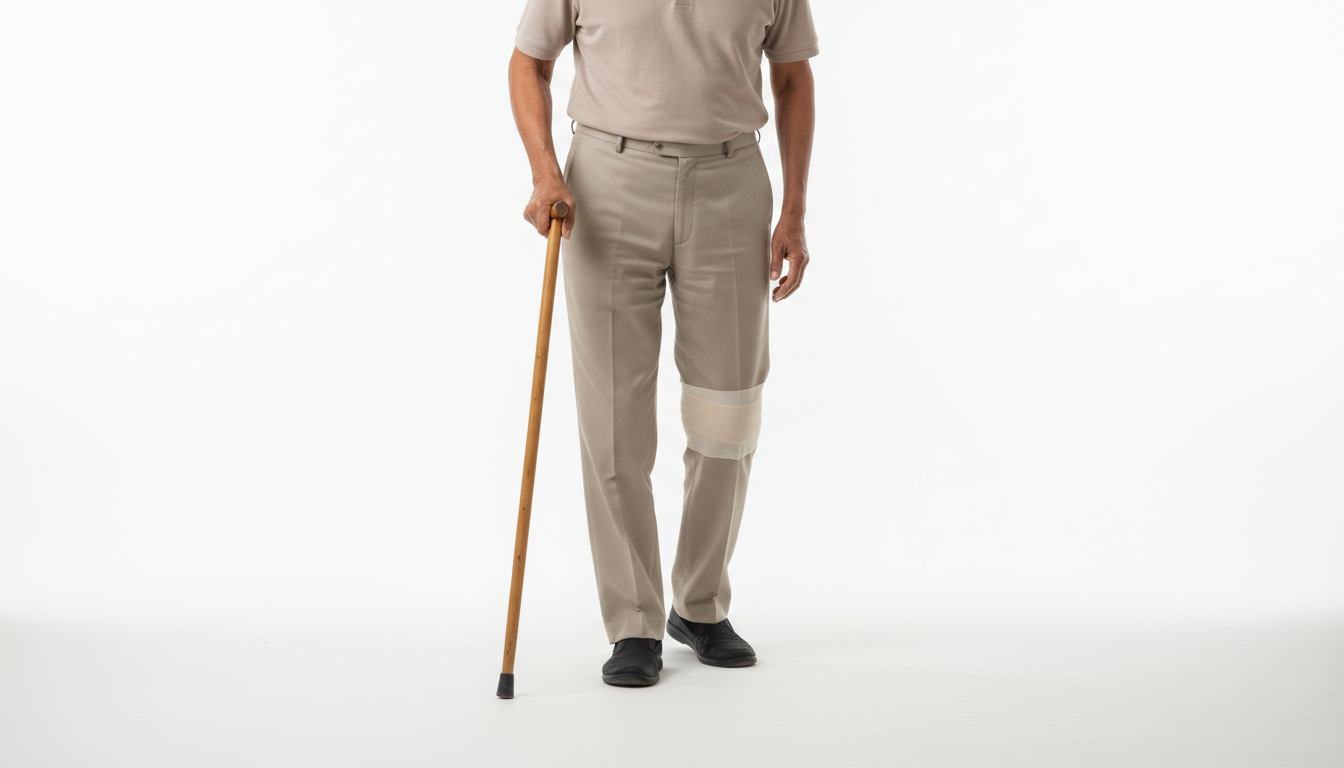
Stand behind a chair with hands resting lightly on it. Rise onto the balls of your feet, then lower with control. 3 sets of 12 to 15. Strong calves steady your walk and prevent trips.
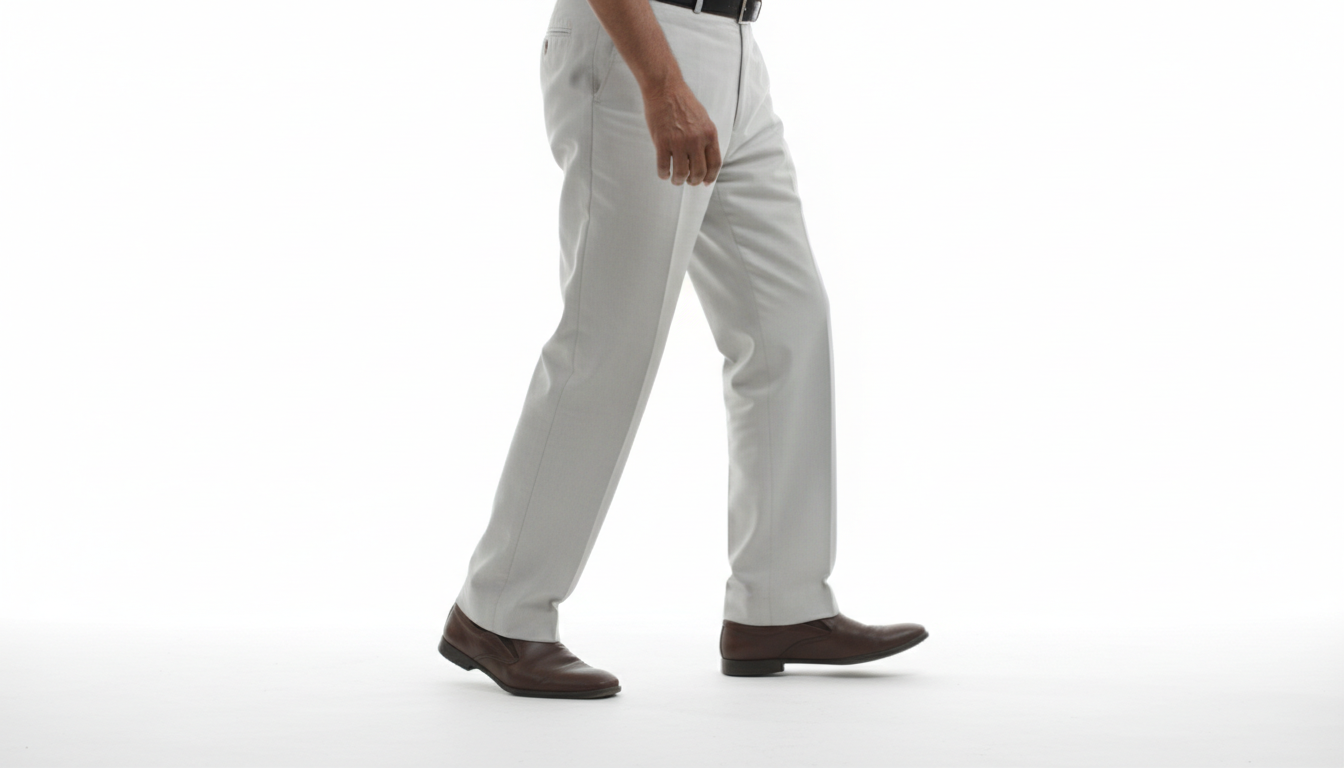
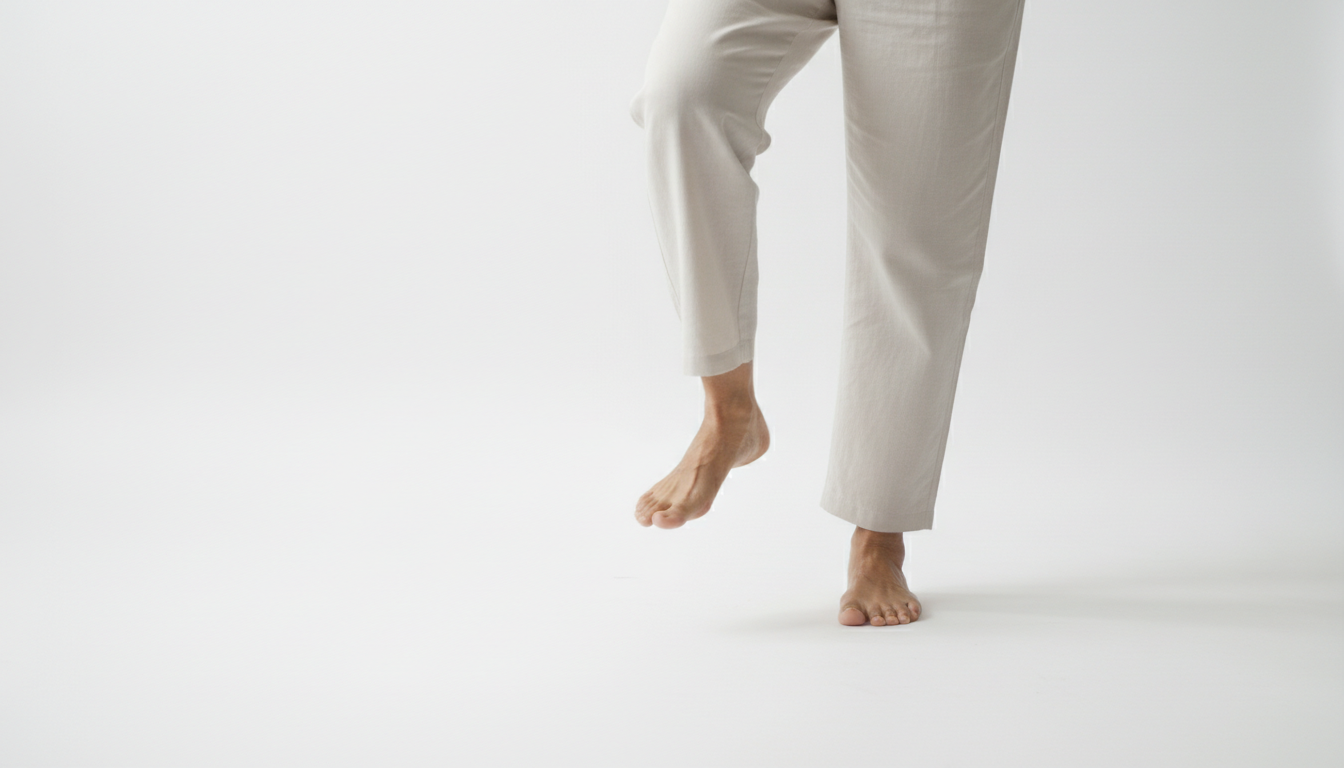
Stand near a counter, lift one foot a few centimetres off the floor, and hold 10 seconds. Switch sides. Build to 30 seconds per leg. Keep a counter within arm’s reach for the first few weeks. Balance is half of fall prevention.
Stand an arm’s length from a wall, hands at shoulder height and width. Bend the elbows to bring your chest toward the wall, keeping the body straight, then push back. 3 sets of 10 to 15. Upper-body strength helps you catch yourself in a stumble.
Lie on your back, knees bent, feet flat. Lift the hips toward the ceiling, squeeze the glutes, hold 2 seconds, lower. 3 sets of 10 to 12. Strong glutes ease lower-back pain and protect the knees.
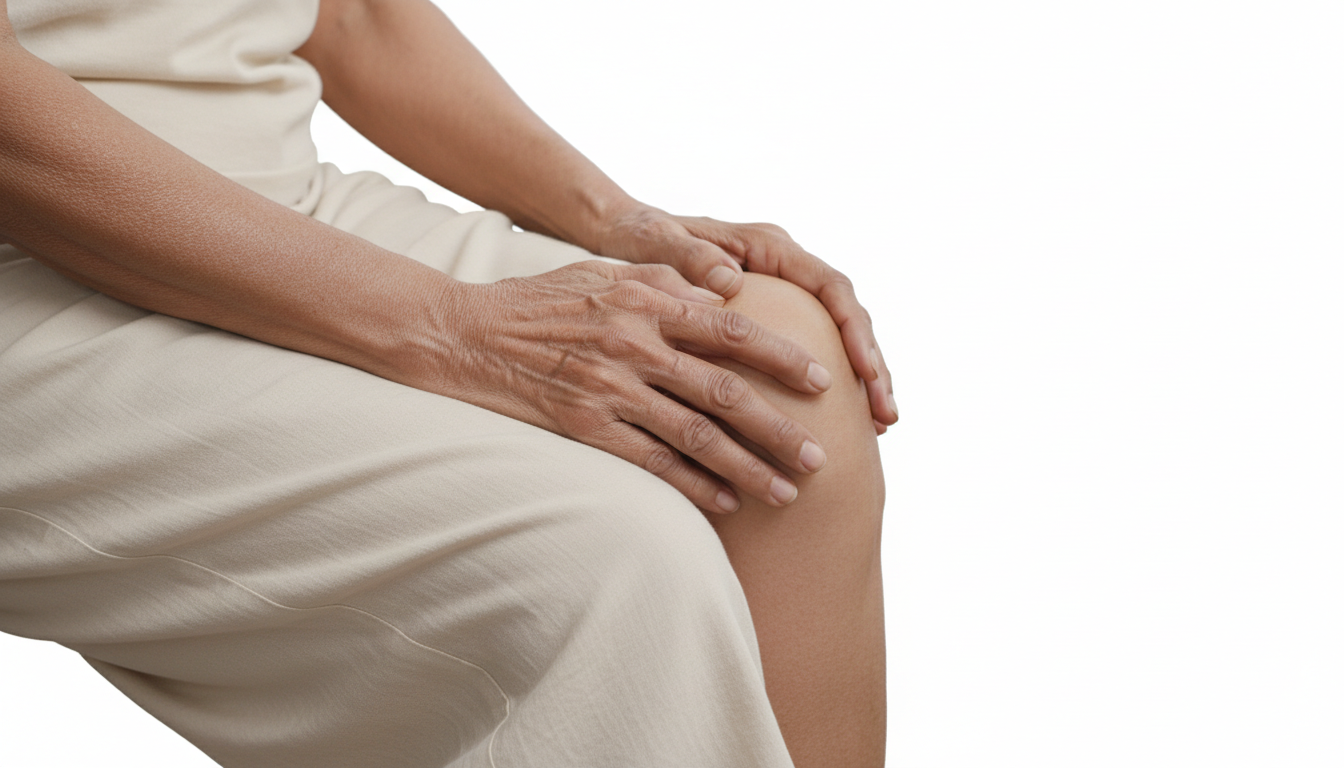
Sit with the leg out straight, tighten the thigh muscle and press the back of the knee gently down, hold 10 seconds, release. A safe first step for sore knees that builds the quadriceps without bending the joint under load.
A paced, day-by-day routine that builds gently across the week, with clear instructions and a note on what to watch for.
Short videos you can follow along.
These help, but lasting change needs more than exercises alone.
Exercises help. But the cause usually runs deeper.
Pain in seniors usually has two to three contributing causes. Movement is one piece. Here is how the whole picture comes together.